NHS: A Universal Embrace
In the sterile corridors of Birmingham Women’s and Children’s NHS Foundation Trust, a young man named James Stokes moves with quiet purpose. His oxford shoes whisper against the floor as he exchanges pleasantries with colleagues—some by name, others with the universal currency of a « how are you. »
James displays his credentials not merely as an employee badge but as a declaration of belonging. It rests against a neatly presented outfit that betrays nothing of the difficult path that preceded his arrival.
What separates James from many of his colleagues is not immediately apparent. His presence reveals nothing of the fact that he was among the first recruits of the NHS Universal Family Programme—an effort created purposefully for young people who have experienced life in local authority care.
« The Programme embraced me when I needed it most, » James explains, his voice steady but carrying undertones of feeling. His remark encapsulates the core of a programme that aims to transform how the massive healthcare system perceives care leavers—those frequently marginalized young people aged 16-25 who have emerged from the care system.
The numbers tell a troubling story. Care leavers often face higher rates of mental health issues, economic uncertainty, accommodation difficulties, and diminished educational achievements compared to their age-mates. Beneath these clinical numbers are individual journeys of young people who have maneuvered through a system that, despite best intentions, often falls short in offering the supportive foundation that forms most young lives.
The NHS Universal Family Programme, established in January 2023 following NHS England’s pledge to the Care Leaver Covenant, represents a substantial transformation in organizational perspective. At its core, it accepts that the complete state and civil society should function as a « communal support system » for those who haven’t experienced the constancy of a conventional home.
Ten pathfinder integrated care boards across England have charted the course, establishing structures that reimagine how the NHS—one of Europe’s largest employers—can open its doors to care leavers.
The Programme is meticulous in its strategy, beginning with comprehensive audits of existing practices, establishing management frameworks, and securing executive backing. It recognizes that successful integration requires more than lofty goals—it demands tangible actions.
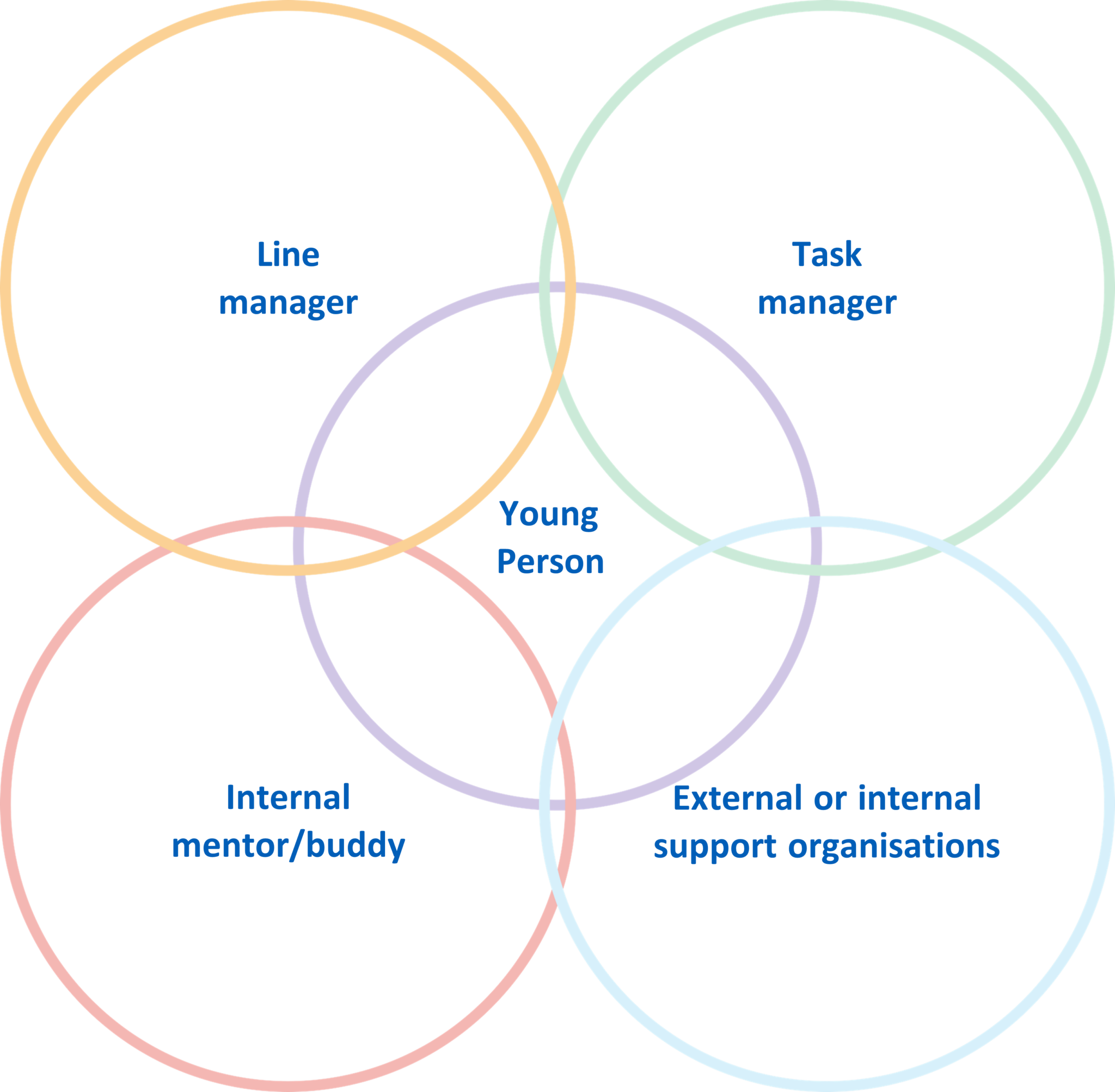
In NHS Birmingham and Solihull ICB, where James found his footing, they’ve created a reliable information exchange with representatives who can provide assistance and counsel on mental health, HR matters, recruitment, and EDI initiatives.
The conventional NHS recruitment process—rigid and often daunting—has been carefully modified. Job advertisements now focus on personal qualities rather than numerous requirements. Applications have been reconsidered to address the unique challenges care leavers might face—from not having work-related contacts to having limited internet access.
Possibly most crucially, the Programme acknowledges that starting a job can create specific difficulties for care leavers who may be managing independent living without the backup of parental assistance. Concerns like commuting fees, identification documents, and financial services—considered standard by many—can become major obstacles.
The beauty of the Programme lies in its attention to detail—from outlining compensation information to offering travel loans until that crucial first payday. Even apparently small matters like coffee breaks and professional behavior are deliberately addressed.
For James, whose NHS journey has « revolutionized » his life, the Programme offered more than employment. It provided him a feeling of connection—that intangible quality that develops when someone is appreciated not despite their background but because their unique life experiences enhances the workplace.
« Working for the NHS isn’t just about doctors and nurses, » James notes, his gaze showing the subtle satisfaction of someone who has secured his position. « It’s about a community of different jobs and roles, a family of people who truly matter. »
The NHS Universal Family Programme represents more than an job scheme. It exists as a powerful statement that systems can adapt to include those who have known different challenges. In doing so, they not only transform individual lives but improve their services through the unique perspectives that care leavers contribute.
As James walks the corridors, his involvement quietly demonstrates that with the right help, care leavers can flourish in environments once deemed unattainable. The support that the NHS has offered through this Programme symbolizes not charity but appreciation of hidden abilities and the fundamental reality that all people merit a family that believes in them.